

Flower care · · 2 min read
Why cut flowers wilt, and how to make them last longer
A cut flower is still alive. Why water stops reaching the bloom, what flower food actually does, and two vase myths that do not work.
By Concord Flower Shop, Concord, Massachusetts
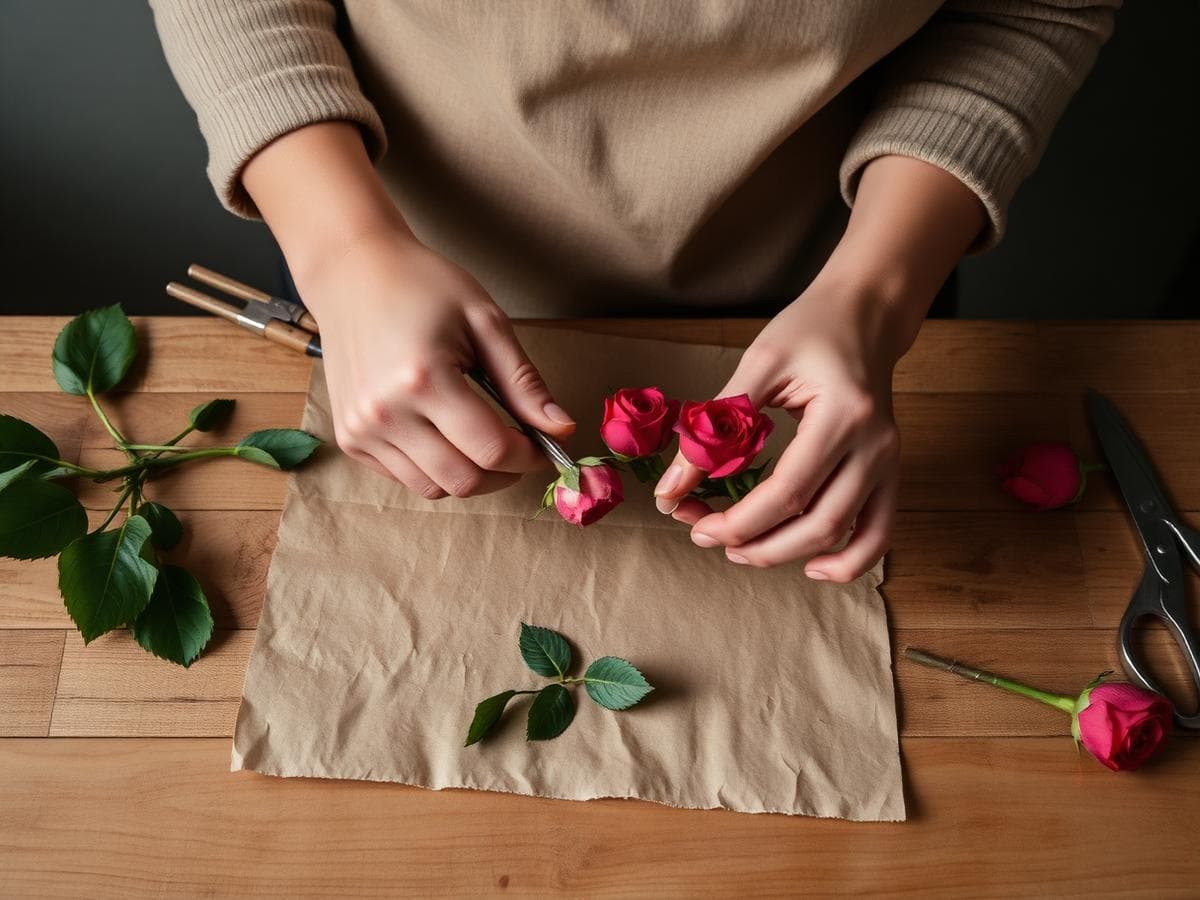
A cut flower is still alive. It keeps drinking, breathing and spending the sugar it stored on the plant, and it wilts when one of those runs out. Almost always, the first to go is water.
Water stops reaching the bloom
A stem drinks through narrow channels. Two things block them: air, which gets in the moment a stem is cut in the open, and bacteria, which multiply in the vase and clog the cut end.
- Recut about an inch off each stem, on an angle, with a sharp knife or clean shears. A blunt blade crushes the channels shut.
- Cut roses and other woody stems under running water, so the first thing the stem takes in is water, not air.
- Strip every leaf that would sit below the waterline. Leaves in water rot and feed bacteria.
- Change the water every two days, and wash the vase with soap between arrangements.
What is in the flower food packet
The packet does three jobs at once:
- Sugar, to replace the energy the flower can no longer make on the plant.
- An acid, usually citric acid, because slightly acidic water moves up the stem more easily.
- A biocide, to stop bacteria, which would otherwise eat the sugar faster than the flower does.
That is why sugar on its own makes things worse: it feeds the bacteria as much as the flower.
Keep them cool, and away from the fruit bowl
Warmth speeds up everything a flower does, including fading. Keep the vase out of direct sun and away from radiators. Ripening fruit such as bananas and apples gives off ethylene, a gas that makes many flowers, carnations among them, age faster.
Two vase myths
- A penny in the vase. Copper does slow bacteria, but a US penny made since 1982 is 97.5% zinc with a thin copper coat, so there is very little copper to release.
- An aspirin. It is an acid, so it lowers the water's pH a little, but it does nothing about bacteria.
For step-by-step care of arrangements, loose bunches and plants, see caring for your flowers.